The Blue Lagoon: Silica Deposition & Geological Heritage
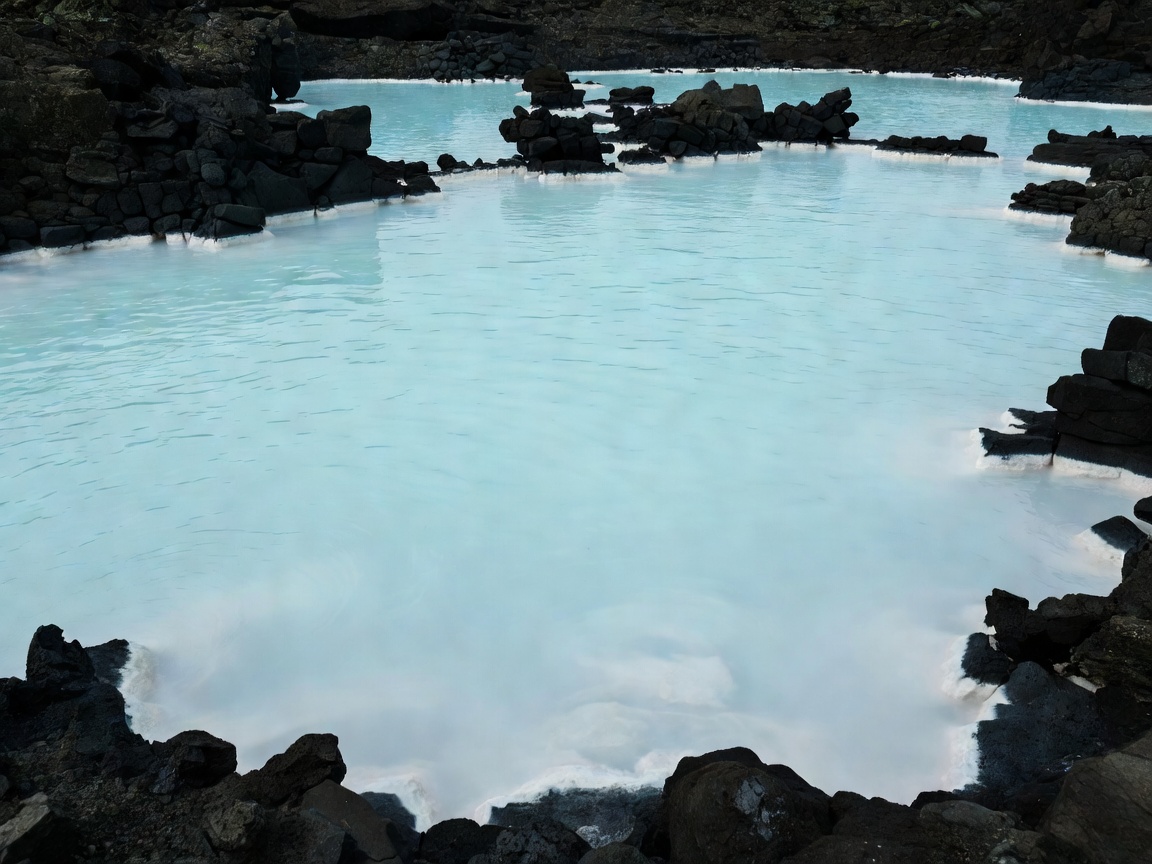
World-renowned for its opaque milky-cyan hue, this vast basin draws mineral-rich water from the Svartsengi geothermal facility, suspended over porous black lavas formed in 1226.
An editorial survey of Iceland’s thermal hydrology. From ancient moss-fringed stone reservoirs to volcanic cliffside rituals, explore how natural steam, subterranean silica, and sulfur compounds shape one of the world's most enduring bathing cultures.
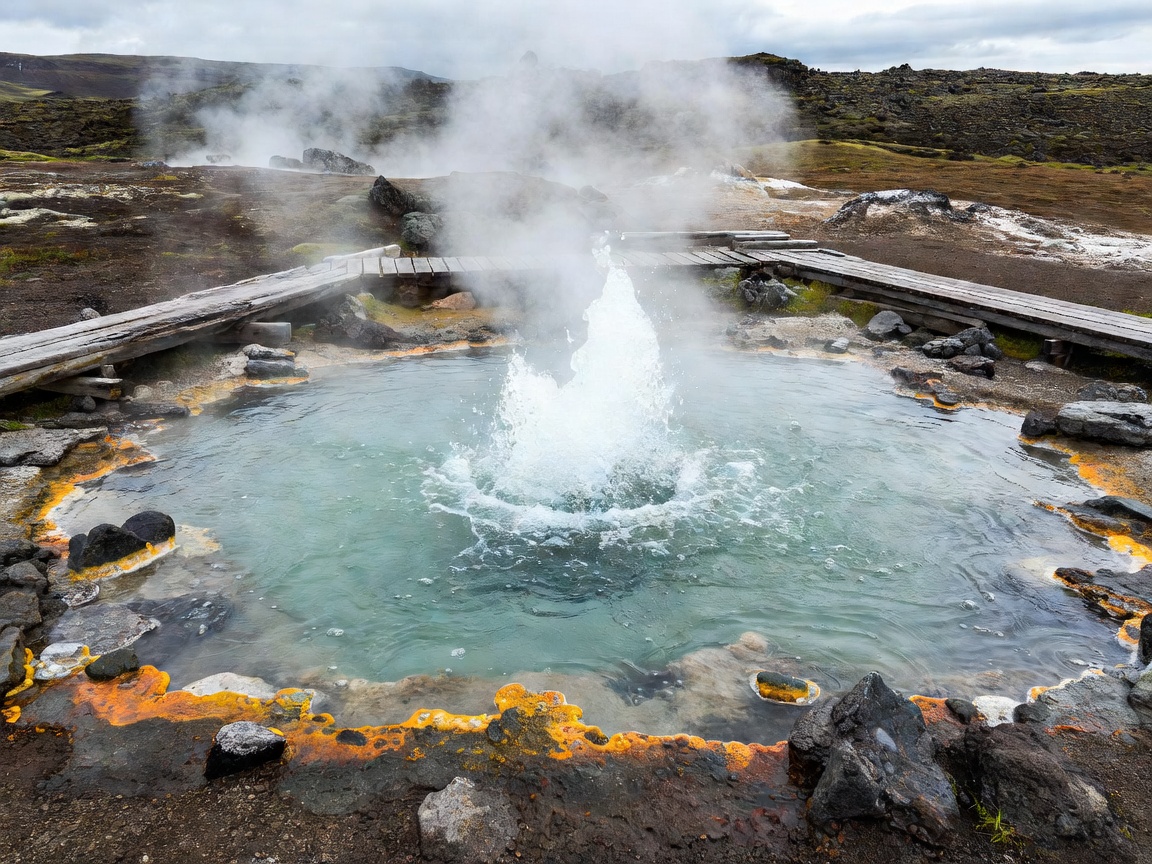
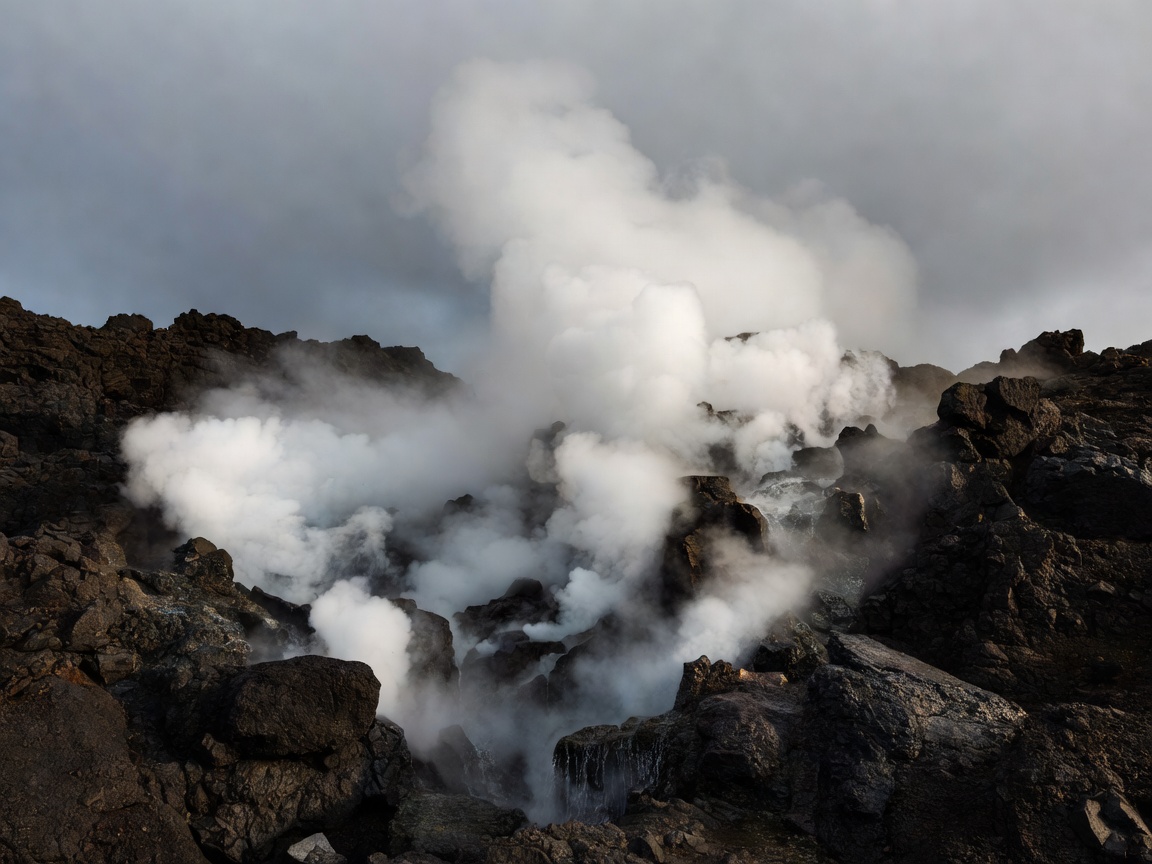
Subterranean water heated by magma chambers emerging into natural silica pools across the Reykjanes volcanic rift.
Icelandic bathing falls broadly into three distinct operational typologies: mineral-dense high-output reservoirs, architecturally integrated oceanfront baths, and raw riverbed thermal channels.
World-renowned for its opaque milky-cyan hue, this vast basin draws mineral-rich water from the Svartsengi geothermal facility, suspended over porous black lavas formed in 1226.
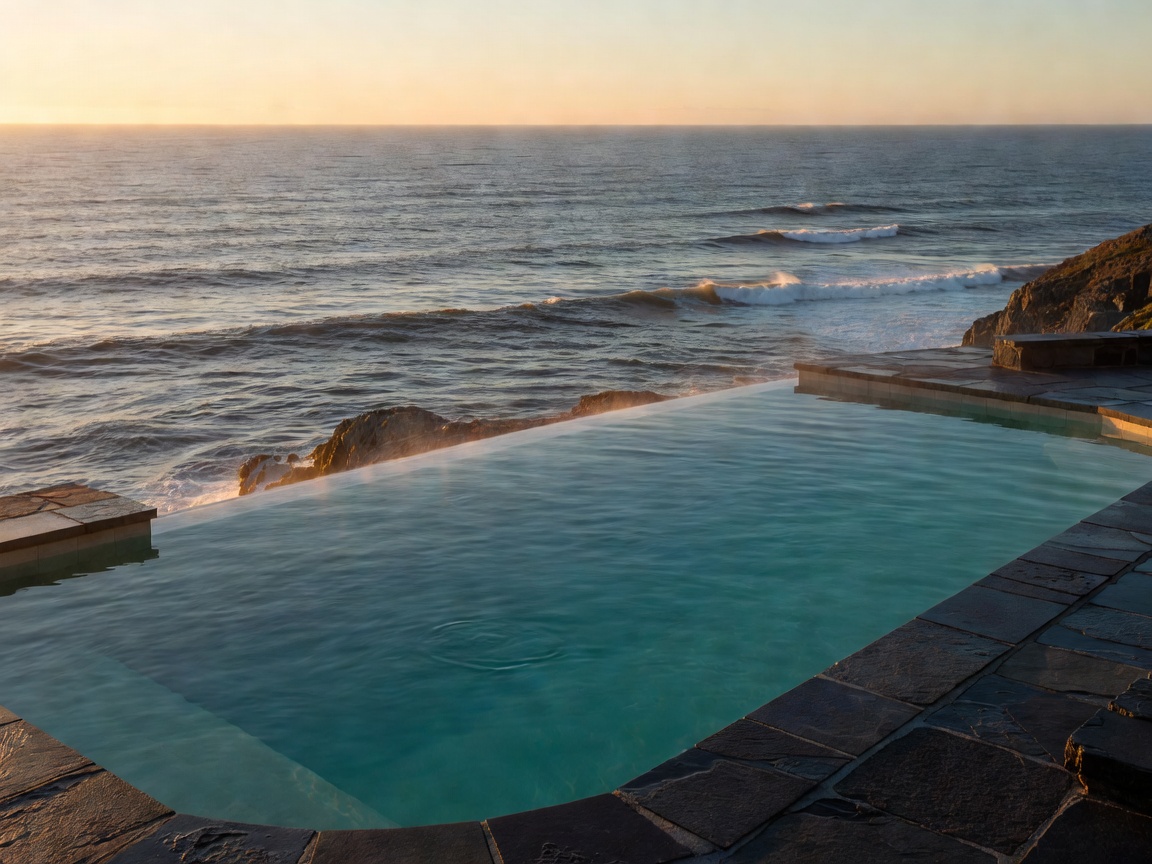
Engineered with a 70-metre unobstructed rim overlooking Faxaflói Bay, Sky Lagoon reinterprets turf-house masonry and centuries-old alternating hot-cold therapy.
Established in 1891, Gamla Laugin is Iceland’s oldest engineered swimming pool. Fresh thermal discharge replenishes its gravel-bottom basin entirely every 24 hours.
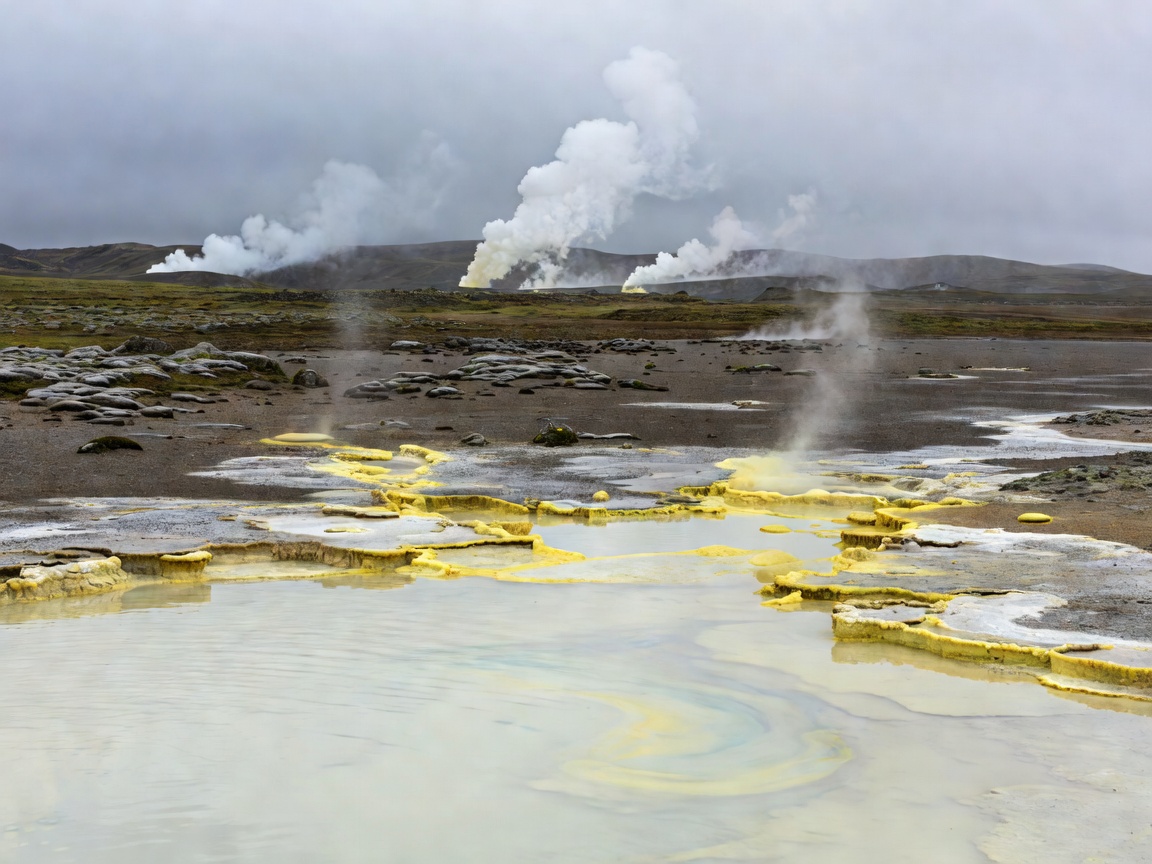
Perched on the rim of the Krafla volcanic caldera, Jardbödin vid Mývatn contains high sulfur and mineral concentrations that naturally prevent microbial and algae colonization.
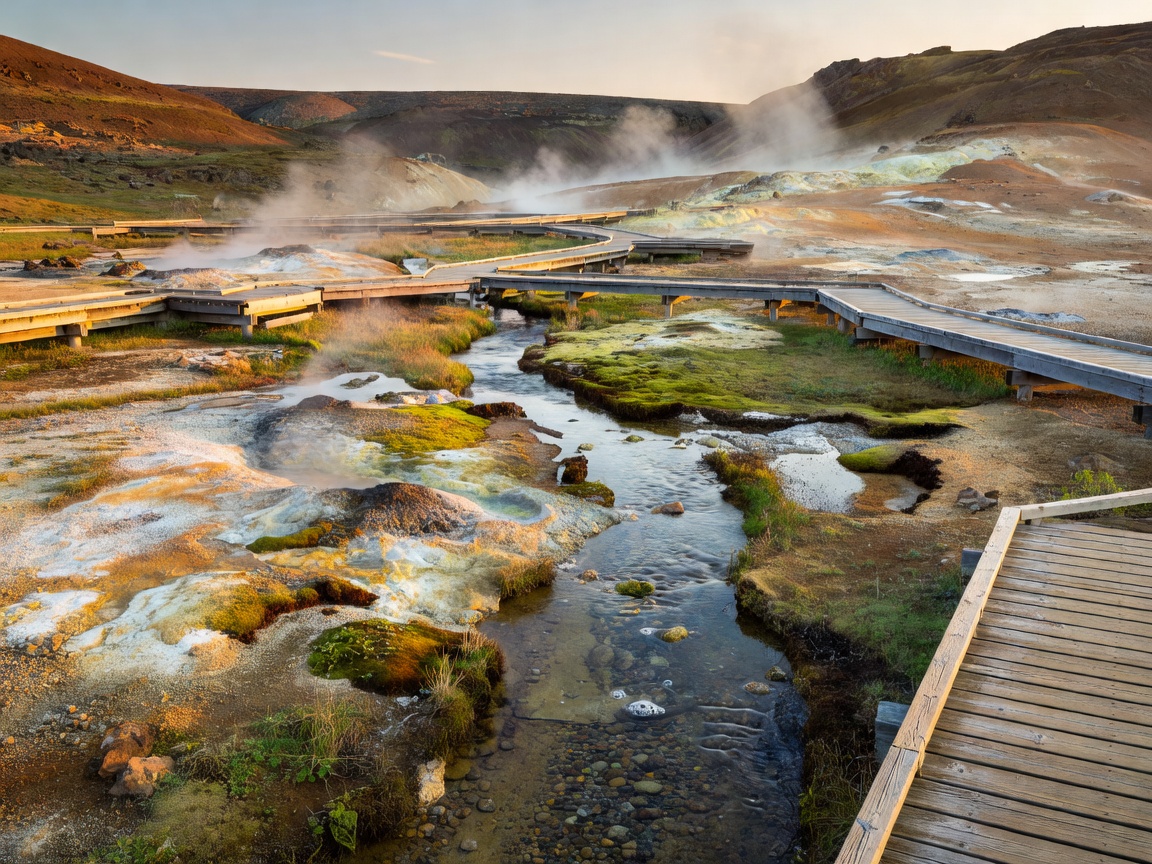
Accessible only after a 3.5-kilometre mountain hike, Reykjadalur blends scalding geothermal run-off with alpine glacial creeks inside an unroofed volcanic canyon.
Geothermal bathing in Iceland is not merely a leisure pursuit—it is an egalitarian social institution underpinned by strict sanitary standards and unique mineral physics.
Because Iceland’s natural geothermal waters are continuously refreshed without chemical chlorine treatments, hygiene depends on every bather showering thoroughly without swimwear before entering the pool.
Every facility maintains dedicated shower zones with complimentary soap. Adherence is non-negotiable and strictly monitored by attendant staff to preserve water purity.
Mineral-heavy pools—especially the Blue Lagoon and Mývatn Nature Baths—contain dissolved silica and sulfur. While beneficial for dermatological conditions such as psoriasis, silica binds tightly to hair protein, leaving it stiff and chalky for days.
Generous conditioner must be applied beforehand and left unrinsed. Silver jewelry should always be removed to prevent irreversible tarnishing from hydrogen sulfide gas.
Immersion in 38°C to 40°C water elevates core body temperature within 15 minutes. To avoid dizziness and thermal exhaustion, traditional Icelandic bathers cycle through cold plunge pools or cool air exposure.
Hydration is critical. Due to subterranean evaporation rates and cold polar air currents, sensible fluid loss is often significantly higher than bathers perceive.